Japan and U.S. Reaffirm Defense Alliance Amid Regional Security Discussions
Japanese Defense Minister Shinjiro Koizumi and U.S. Defense Secretary Pete Hegseth held high-level talks to strengthen the Japan-U.S. security alliance. The meeting focused on regional stability, defense modernization, and deepening interoperability between the two nations' armed forces to address evolving security challenges in the Indo-Pacific.
North Korea Conducts Missile Launches Into Sea of Japan
North Korea has launched two projectiles, including an apparent short-range ballistic missile, into the waters off its east coast. The launch, detected by Japanese and South Korean authorities, has prompted immediate security concerns and condemnation from regional neighbors as tensions on the Korean Peninsula remain elevated.
20th Asian Games Officially Commence in Nagoya, Japan
The 20th Asian Games have officially opened in Nagoya, Japan, with a grand ceremony attended by Emperor Naruhito and Empress Masako. The event marks a significant milestone for the Aichi-Nagoya region, bringing together athletes from across the continent to compete in a diverse range of sports over the coming weeks.
Japan's Elderly Population Reaches Record High of 29.6 Percent
Japan has hit a new demographic milestone as the proportion of its population aged 65 and older climbed to a record 29.6 percent. Government data highlights the ongoing challenges of a shrinking workforce and the increasing strain on social security systems in the world's most aged society.
The 2026 Asian Games have officially commenced in Nagoya, Japan, with a vibrant opening ceremony. Despite overcoming recent weather-related disruptions and complex logistical hurdles, the host city welcomed athletes from across the continent to begin the multi-sport event, marking a significant milestone for the Aichi-Nagoya region.
Kumamoto Castle Extends Illumination Hours as Symbol of Resilience
Kumamoto Castle in Japan has extended its nightly illumination, keeping the historic landmark lit throughout the night. This initiative serves as a powerful symbol of hope and ongoing reconstruction efforts following the significant earthquake damage sustained in recent years, offering a beacon of recovery to the local community and visitors alike.
Nagoya Asian Games Organizers Address Athlete Accommodation Concerns
Organizers for the 2026 Asian Games in Nagoya, Japan, are responding to concerns regarding athlete housing plans. The proposed use of cruise ships and temporary facilities to supplement traditional lodging has sparked discussions among stakeholders as officials work to ensure adequate and comfortable accommodations for participants.
15th IMF-Japan High-Level Tax Conference Addresses Fiscal Sustainability in Asia
The 15th IMF-Japan High-Level Tax Conference for Asian Countries recently convened in Tokyo to address critical fiscal challenges. Officials and experts discussed strategies for enhancing domestic resource mobilization, ensuring long-term fiscal sustainability, and navigating the complexities of the evolving international tax landscape across the Asian region.
Japan Coast Guard Rescues Three North Korean Nationals Following Vessel Sinking
The Japan Coast Guard rescued three North Korean individuals after their small boat, which was being towed by a North Korean vessel, sank in the Sea of Japan off the coast of Shimane Prefecture. The survivors were recovered safely, and authorities are currently investigating the circumstances surrounding the incident in the waters near Japan.
Registration Opens for Allied Events at the 39th Tokyo International Film Festival
The 39th Tokyo International Film Festival has officially opened registration for its allied events. Film industry professionals and the public can now sign up to participate in various programs and screenings held across Tokyo, marking a key milestone in the lead-up to one of Asia's most prestigious cinematic gatherings.
Japanese and U.S. Lawmakers Strengthen Cooperation on Taiwan Strait Stability
Japanese and U.S. lawmakers have held high-level discussions in Washington, reaching a consensus on the critical need to deter potential aggression in the Taiwan Strait. The talks emphasized strengthening bilateral security ties and maintaining regional stability amidst growing concerns over China's military activities in the Indo-Pacific.
Parliamentary Vice-Minister Onishi Yohei Holds Diplomatic Talks with Philippine Officials
Parliamentary Vice-Minister for Foreign Affairs Onishi Yohei met with Philippine counterparts to strengthen bilateral ties and address regional security concerns. The discussions focused on deepening the strategic partnership between Japan and the Philippines amidst evolving geopolitical dynamics in the Indo-Pacific region.
Japan Continues Deliberations on Long-Term Defense Spending Strategy
Japanese officials are engaged in ongoing discussions regarding the nation's defense budget trajectory. The deliberations focus on sustaining increased military investment to meet international benchmarks, addressing regional security challenges, and balancing fiscal responsibility within the government's long-term policy framework.
Prudential Life Insurance Japan Reports Unauthorized Access and Data Leak
Prudential Life Insurance Japan has confirmed a data security incident involving unauthorized access to its systems. The breach resulted in the potential exposure of personal information belonging to thousands of customers. The company is currently working with authorities and cybersecurity experts to investigate the scope of the incident and notify affected individuals.
Japanese Government Updates Earthquake Preparedness Guidelines for Office Workers
The Japanese government has issued updated earthquake preparedness guidance, advising office workers to be prepared to remain at their workplaces for up to three days following a major seismic event. This initiative aims to reduce congestion on public transportation and ensure public safety in the event of a catastrophic earthquake, such as a potential Nankai Trough disaster.
Kamakura Observes Historic Tsurugaoka Hachimangu Reitaisai Festival
The annual Tsurugaoka Hachimangu Reitaisai, a historic Shinto festival dating back over 800 years, has commenced in Kamakura, Japan. The multi-day event features traditional rituals, including the renowned Yabusame horseback archery, drawing visitors to the iconic shrine to witness centuries-old cultural traditions and ceremonies.
Japan Self-Defense Forces Conduct First Overseas Firefighting Mission in Indonesia
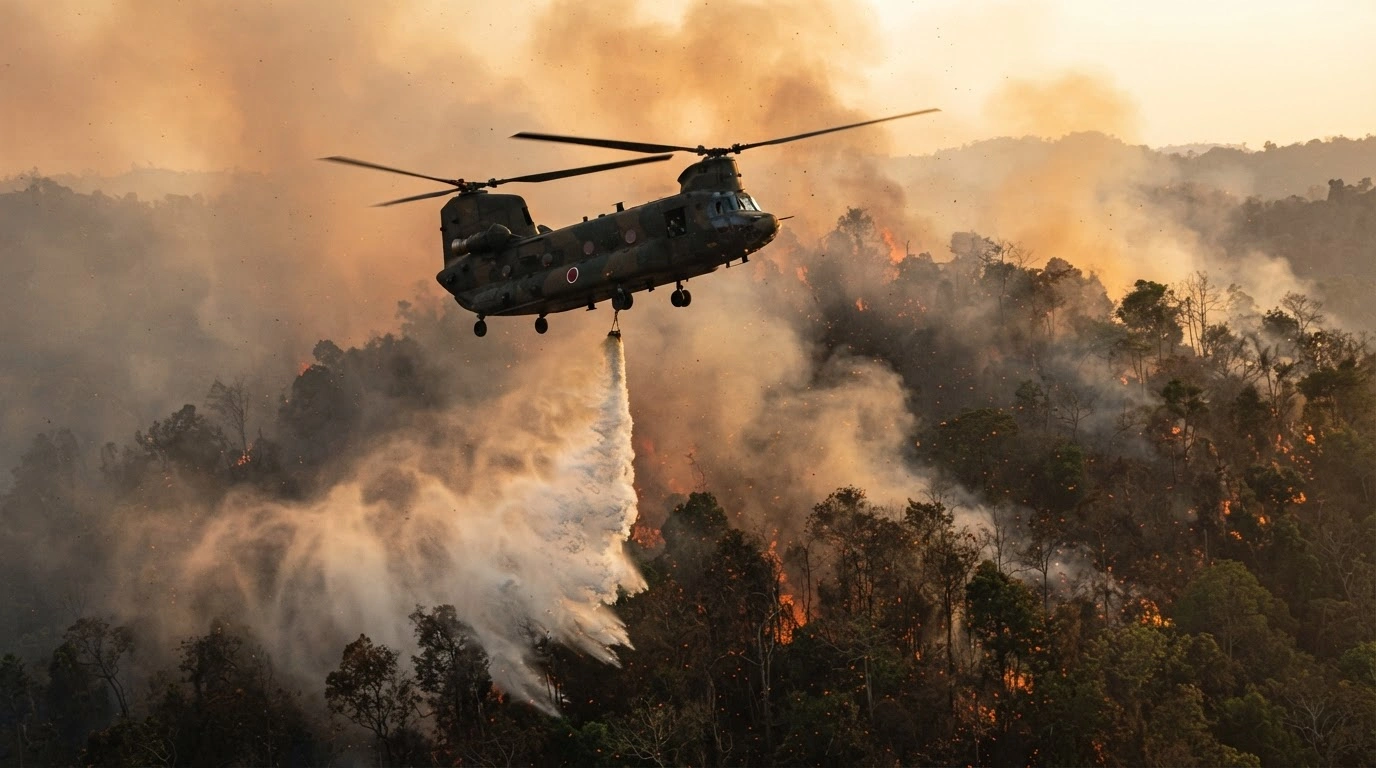
In a historic move, the Japan Self-Defense Forces (JSDF) deployed personnel and helicopters to Indonesia to assist in combating severe forest fires. This mission marked the first time the JSDF has engaged in overseas firefighting operations, highlighting Japan's commitment to international disaster relief and regional cooperation in Southeast Asia.
Okinawa Election Focus Shifts Toward Regional Security and Defense Concerns
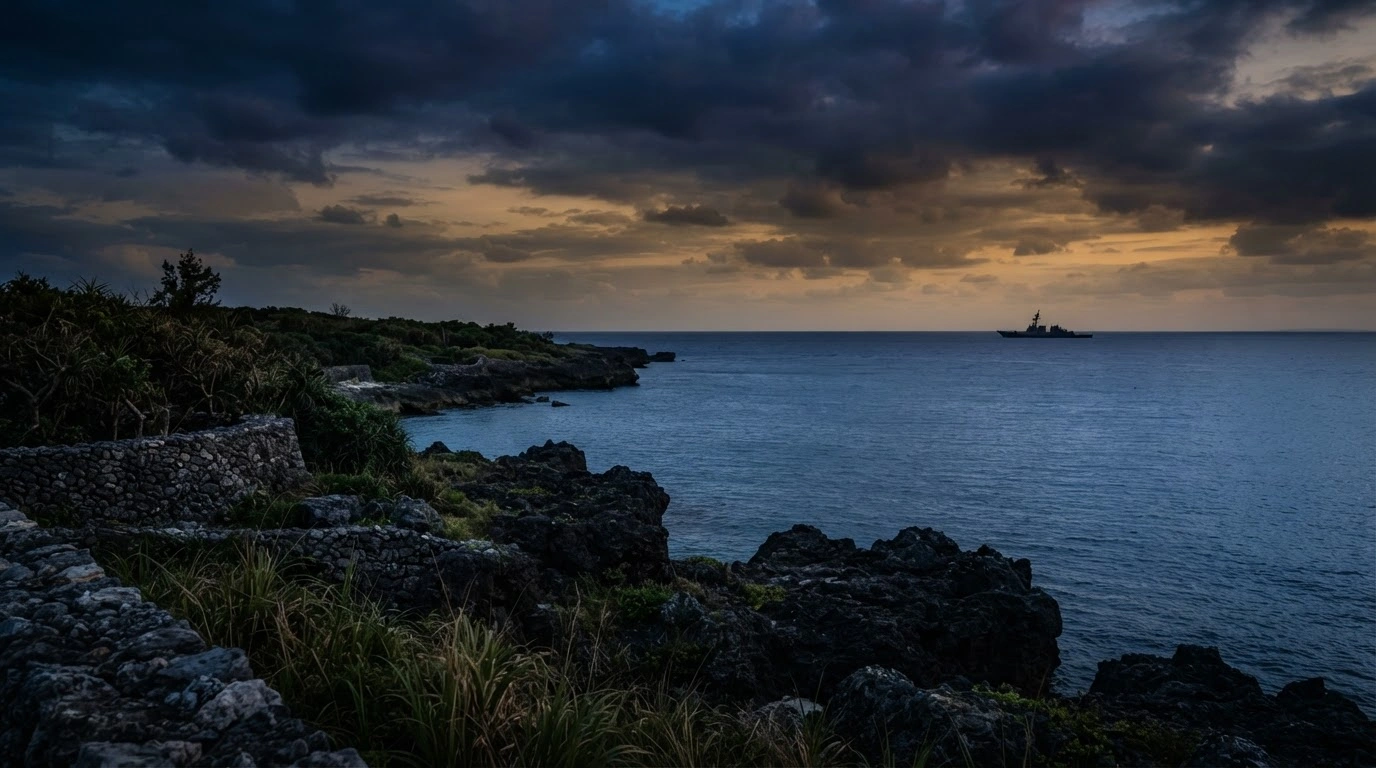
The political landscape in Okinawa, Japan, is undergoing a notable transformation as upcoming elections increasingly prioritize national defense and regional security threats over the traditional debate surrounding U.S. military base presence.
Elderly Woman Hospitalized in Tokushima After Consuming Poisonous Mushroom
A woman in her 90s has been hospitalized in Tokushima, Japan, after consuming a Chlorophyllum molybdites mushroom she found in her garden. Local health officials have issued a warning regarding the dangers of misidentifying wild mushrooms, as this species is frequently mistaken for edible varieties.
Two American Women Arrested at Haneda Airport for Alleged Cannabis Smuggling
Tokyo Metropolitan Police have arrested two American women at Haneda International Airport on suspicion of smuggling approximately 30 kilograms of cannabis into Japan. The suspects were apprehended after customs officials discovered the illicit substance concealed within their luggage. Authorities are currently investigating the incident.